Why International arrivi Need Different Timing Logic
For a domestic volo, the time from landing to exiting arrivi is typically 10 to 20 minutes. For an international volo, the same process — deplaning, walking to passporto control, clearing controllo passaportoi, waiting for checked baggage, clearing customs — routinely takes 45 to 90 minutes. At busy international hubs, controllo passaportoi queues alone can add 30 to 45 minutes.
The difference in arrival and partenza transfer differences between domestic and international is operational, not trivial. A transfer booked for 30 minutes after landing on an international volo will consistently produce a autista waiting at an empty uscita arrivi for an extended period — or a passeggero exiting to find no veicolo.
The Buffer Calculation for International arrivi
Use the scheduled landing time from your volo confirmation. If the service uses monitoraggio dei ritardi del volo, the system will adjust for real-time changes — but the base calculation still starts from scheduled arrival.
Typically 10 to 20 minutes from wheels-down to passporto control queue entry, depending on aircraft size, gate position, and terminal layout.
This is the most variable factor. At major international airportos during peak periods, non-citizen queues may take 30 to 60 minutes. Research typical processing times for the specific airporto before setting your buffer.
Checked baggage at terminal internazionales typically takes 15 to 30 minutes from landing. First bag to carousel can be fast; waiting for a late bag adds time unpredictably.
Travelers with goods to declare or those randomly selected for inspection add further time. Even for travelers with nothing to declare, the customs hall walk adds 5 to 10 minutes.
terminal Identification for International volos
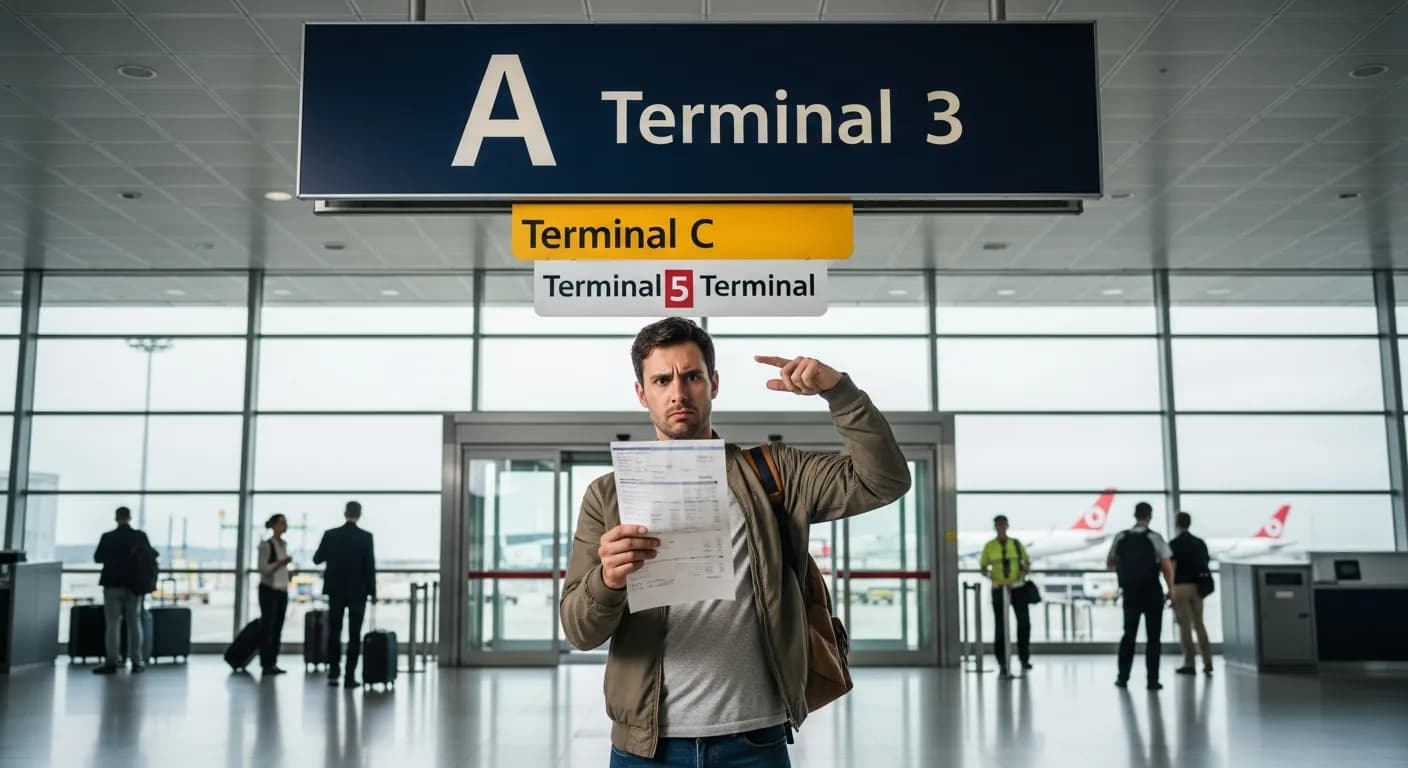
Many airportos have physically separate terminals for international and domestic operations. Confirming the correct terminal at prenotazione is not optional — it determines where the autista parks and waits. At airportos like Londra Heathrow, Parigi Charles de Gaulle, or New York JFK, terminal internazionales are entirely separate buildings. A autista sent to the wrong terminal creates a prelievo failure that requires the passeggero to travel between terminals — adding 20 to 40 minutes — or the autista to relocate and repark.
Check your volo confirmation, not the airline's general terminal page. terminals can change between when a ticket was issued and the day of travel. Verify at prenotazione and recheck 24 hours before partenza. Correct selezione dell'orario di prelievo for international travel starts with knowing the terminal.
International vs. Domestic: A Practical ComParigion
Landing to exit: 15–25 minutes. No passporto control. No customs. terminal typically shared or nearby. Buffer of 20–30 minutes post-landing is usually sufficient.
Landing to exit: 45–90 minutes. Passporto control, ritiro bagagli, and customs all add unpredictable time. Buffer of 60–90 minutes post-landing is the safe planning baseline.
Language Coordination for autistas
At international airportos in non-English-speaking countries, communication between a autista and an arriving passeggero who does not speak the local language can create a practical barrier. Confirm at prenotazione whether autista contact information is provided in anticipo, and whether the autista can communicate in English or a common language for the passeggero. Some services provide a central supporto number specifically for this scenario — verify this before you need it.
prenotazione anticipata an international transfer gives you the ability to confirm language requirements before travel, not after landing. This is one of the practical arguments for advance prenotazione over on-demand solutions at unfamiliar international airportos.
volo Monitoring for International arrivi
International volos are more frequently subject to significant delays — weather, air traffic control at hub airportos, maintenance holds, or late-arriving inbound aircraft. A service that monitors your volo status in real time adjusts autista dispatch accordingly, preventing the autista from waiting through a two-hour delay or missing a volo that arrived early.
When evaluating a transfer service for international travel, confirming that live volo monitoring is in place is more importoant than for domestic prenotaziones, where delays are shorter and less variable.
partenza Planning for International volos
Outbound international travel requires earlier airporto arrival — typically 3 hours before partenza for lungo raggio international and 2 hours for shorter international routes, compared to 90 minutes for most domestic volos. When setting orario di prelievo for an international partenza transfer, ensure the calculation reflects this difference. The consequences of arriving late to an international check-in are more severe — international check-in counters often close 60 minutes before partenza with no exceptions.
To explore Transferhood directly, you can visit the main platform.