What the Complimentary Waiting Period Covers
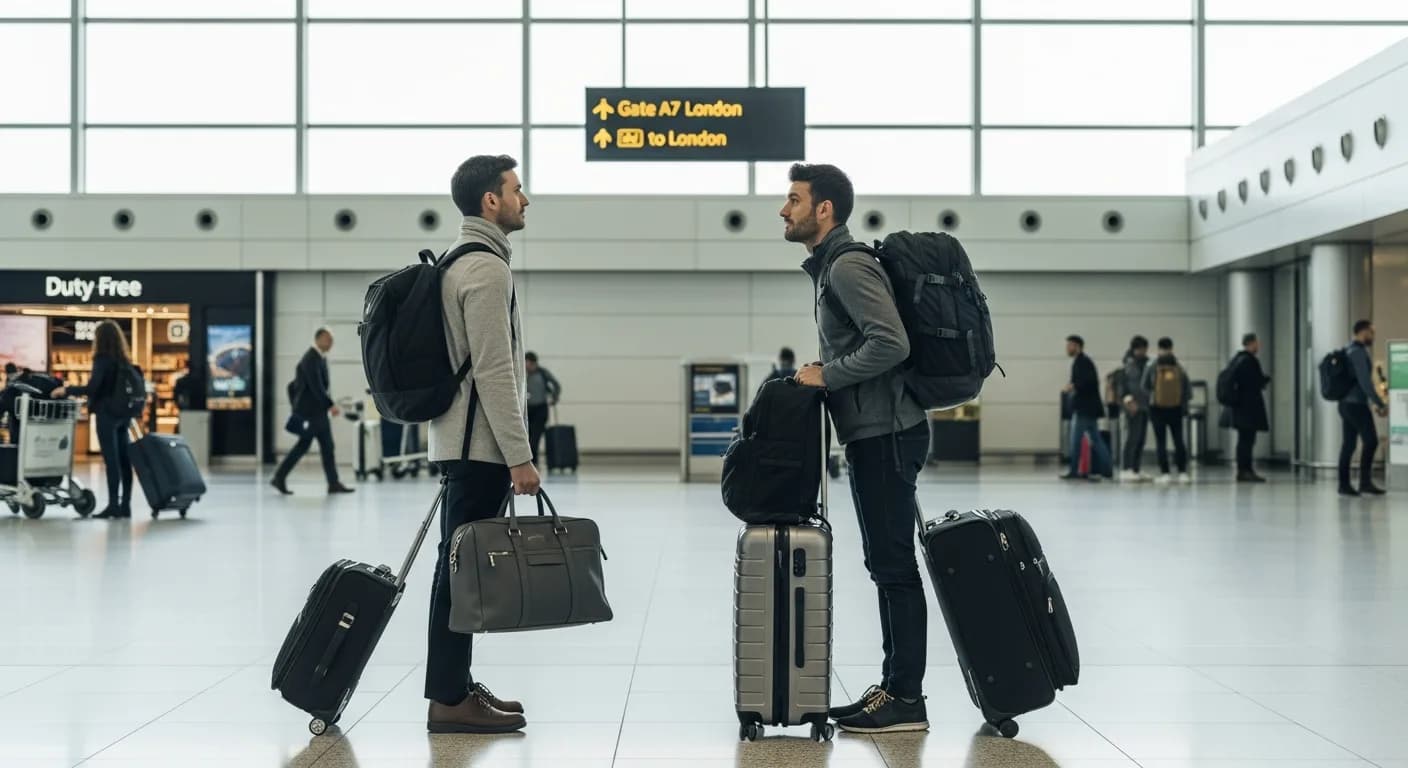
When a autista arrives at the designated punto di prelievo, a complimentary waiting period begins. For airporto arrivi, this period is typically 45 to 60 minutes from the scheduled landing time. This window is designed to cover the realistic time needed for a passeggero to clear controllo passaportoi, collect baggage, and reach the prelievo zone.
The complimentary period is included in the confirmed prenotazione price. No additional charge is applied if the passeggero arrives within this window. Understanding how tempo di attesa works in the broader operational sense helps clarify where the pricing boundary sits.
What Happens When the Complimentary Period Expires
If a passeggero has not reached the autista within the complimentary window — due to reasons other than a tracked volo delay — extended waiting may generate an additional charge. The rate for extended tempo di attesa is set by the operator and typically accrues in 15-minute increments after the complimentary window closes.
Extended waiting charges apply when the delay is caused by the passeggero's circumstances after arrival — not by airline delays. A long queue at passporto control, baggage retrieval delays, or navigating an unfamiliar terminal all fall within the passeggero's window. Plan accordingly by allowing time for these variables.
volo Delay: A Separate Case
volo delays are handled differently from passeggero-caused delays in a system that includes active monitoraggio dei ritardi del volo. When the system tracks the actual landing time of an inbound volo and detects a delay, the autista's orario di arrivo is adjusted to match the updated schedule. The complimentary waiting window starts from the actual landing time — not the originally scheduled time.
This means that a volo arriving 90 minutes late does not generate 90 minutes of extended waiting charges. The autista was not waiting — they were en route, adjusted to the updated arrival. The cost implication is zero for the passeggero in this scenario, as long as the prenotazione included the numero di volo and the system can track it.
autista arrival is adjusted automatically. Complimentary wait starts from actual landing. No additional charge generated by the delay itself.
autista is already at the punto di prelievo. Complimentary window runs from landing time. Delay beyond the window may generate extended wait charges.
Airporto Congestion and Operational Conditions
Airporto congestion affects autista positioning — particularly at high-traffic terminals during peak arrival windows. When multiple volos land in a short window, the curbside and car park areas can become congested, making it difficult for autistas to position veicolos precisely at the scheduled time.
In structured transfer systems, this operational complexity is managed by adjusting autista arrival timing based on expected congestion patterns. However, terminal access fees, short-stay parking costs during extended waits, and other airporto-imposed charges may be incorporated into the service fee depending on the operator's policy.
Non-Airporto prelievos and tempo di attesa
For hotel or address prelievos (Transfer in Partenza), the waiting period structure is simpler: the autista arrives at the scheduled time, and a shorter complimentary window applies — typically 10 to 15 minutes. If the passeggero is not ready within this window, extended waiting charges may apply at the operator's discretion.
For Transfer in Partenza, the more importoant operational risk is not tempo di attesa charges — it is the downstream effect on the volo. A partenza transfer that starts late puts the remaining schedule at risk. This is why orario di prelievo for Transfer in Partenza should be set with sufficient buffer, a point covered in detail in the guide on factors affecting transfer prices.
Minimizing tempo di attesa Cost Exposure
- Always include the correct numero di volo at prenotazione so the system can track actual landing times and adjust autista timing accordingly.
- Declare realistic punto di prelievos — area arrivi meeting points are standard for international volos; do not request curbside if you are on an international route that requires customs clearance.
- For complex arrivi (large groups, significant bagagli, multi-terminal connections), build additional time into your prelievo planning rather than relying on the complimentary window to absorb it.
- Communicate with the autista or operator if delays occur after landing — most systems provide autista contact details once the prenotazione is confirmed.
To explore Transferhood directly, you can visit the main platform.